Cargo Thieves Now Steal Loads With Fake Carriers and Stolen MC Numbers, Insurance Investigators Tell Truckers and Carriers

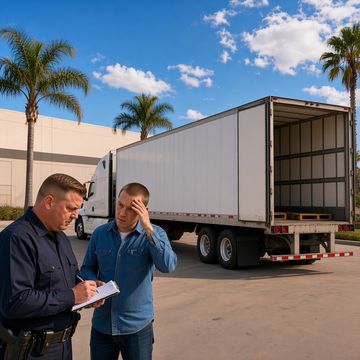
When people picture cargo theft, they often picture thieves breaking into a trailer at a truck stop. Experts say much of it now happens on computers instead. The Trucker reported on Oct. 29 on a webinar held Oct. 22 by Travelers Insurance, with experts from Travelers, Overhaul and the Massachusetts Institute of Technology (MIT). The topic was how organized groups steal freight by manipulating information, and how truckers and carriers can respond.
Get Big Rig Daily every morning
The trucking stories drivers are talking about, in one short email. Unsubscribe any time.
After you sign up, check your inbox for an email from news@bigrigdaily.com and tap the button to confirm.
"A new normal"
Ryan Keifer, national director of the Travelers Special Investigations Unit, said straight theft in person "still happens," but that it is "small potatoes" compared with modern organized criminal enterprises.
"These are not opportunists," Keifer said. "They're organized teams that research shippers. They monitor load boards. They understand the business. They build fake carrier profiles that pass basic vetting procedures."
Get Big Rig Daily every morning
The trucking stories drivers are talking about, in one short email. Unsubscribe any time.
After you sign up, check your inbox for an email from news@bigrigdaily.com and tap the button to confirm.
According to Keifer, the criminals are not on site. They might pose as legitimate carriers, use stolen or fabricated MC numbers, double broker or re-broker loads, or redirect loads after pickup, so that the loads never show up to deliver. "It's identity theft applied to cargo transit," he said.
Tracking and visibility
Ron Greene, executive vice president of Risk and Intelligence at Overhaul, said transnational organized criminal groups are moving into cargo theft. He said real-time tracking, with up-to-the-minute locations and status updates, goes further than milestone tracking, which logs entries when a truck reaches certain points such as arriving to pick up or completing a delivery. Managers should know right away when a truck goes out of route or when something like a delivery address changes, The Trucker reported.
Plan and practice
Professor Yossi Sheffi, director of the MIT Center for Transportation and Logistics, said businesses should build contingency options and rehearse their responses. "You want to drill," he said.
What it means for truckers
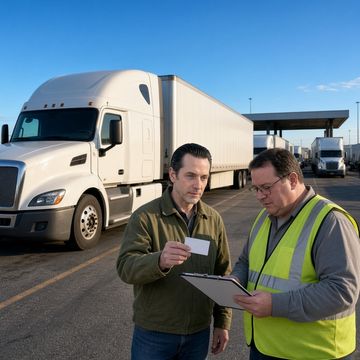
The Trucker's report said that carriers should make sure employees know how to verify changes in dispatch instructions and whom to contact when something does not add up. For truckers, it said, that means questioning unexpected instructions rather than assuming they are legitimate. Keifer's advice for a place to start: "Make education and communication part of your culture."
What the report does not say
The webinar coverage, as relayed here, did not give the number of thefts or the dollar losses involved. The statements are those of the experts and have not been independently verified by Big Rig Daily.
Quick facts
- Event: Travelers Insurance webinar "Cargo Under Pressure: New Threats, Smarter Defenses and the Resilience Imperative," Oct. 22, 2026.
- Methods described: fake carrier profiles, stolen or fabricated MC numbers, double brokering or re-brokering, and redirecting loads after pickup.
- Suggested defenses: real-time tracking, verifying dispatch changes and practicing responses.
Big Rig Daily has also covered how AI equipment is being used in cargo theft deception tactics and a Torrance case of gun parts stolen with a fake pickup.
A question for readers
Has a dispatcher ever sent you a last minute change that did not feel right, and what did you do?
Save this story for later

Sources
Get Big Rig Daily every morning
The trucking stories drivers are talking about, in one short email. Unsubscribe any time.
After you sign up, check your inbox for an email from news@bigrigdaily.com and tap the button to confirm.
Related stories