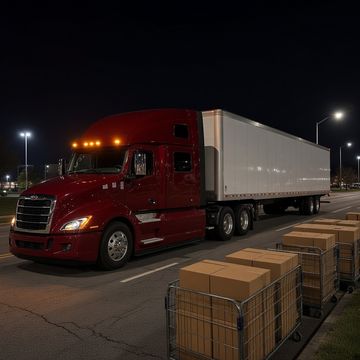
Nearly 130 North Charleston Port Truckers Stop Hauling Containers Over Rate Cuts and Safety Concerns

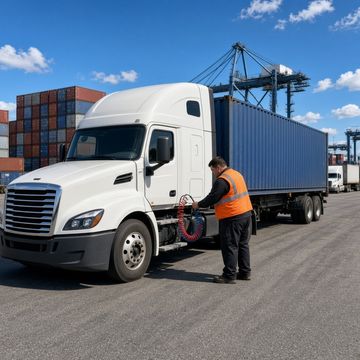
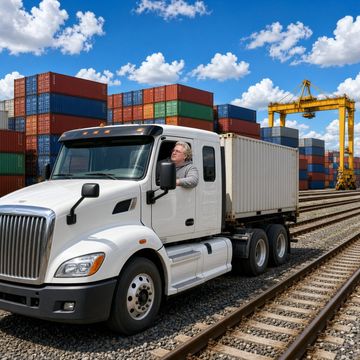
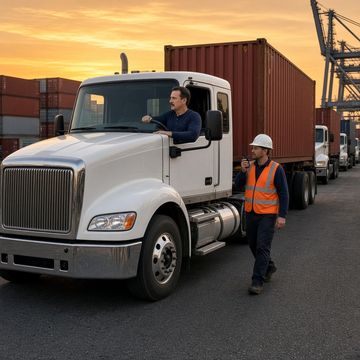
Nearly 130 port truckers and 15 trucking companies stopped hauling shipping containers at Charleston-area marine terminals on Monday, Nov. 9, in a work stoppage over what they describe as steep pay cuts and growing safety concerns, the North Charleston Chronicle reports, citing WCBD News 2.
Status as of Nov. 10: Some of the truckers were scheduled to meet with South Carolina Ports Authority President and CEO Micah Mallace on Monday afternoon. As of Tuesday, Nov. 10, the outcome of that meeting, and whether the truckers had gone back to work, had not been reported.
Get Big Rig Daily every morning
The trucking stories drivers are talking about, in one short email. Unsubscribe any time.
After you sign up, check your inbox for an email from news@bigrigdaily.com and tap the button to confirm.
How big the stoppage is
Company owners told WCBD the stoppage affected more than half of the roughly 200 drivers who typically move cargo through North Charleston each day. Those truckers handle about 1,200 container moves a day between the marine terminals and local rail yards, and some loads weigh as much as 90,000 pounds, according to Hoodline and the Chronicle.
Rates down, costs up
Truckers and carrier owners say the rate paid for each container move has been nearly cut in half, while insurance, labor, parts, maintenance and fuel costs have climbed.
Get Big Rig Daily every morning
The trucking stories drivers are talking about, in one short email. Unsubscribe any time.
After you sign up, check your inbox for an email from news@bigrigdaily.com and tap the button to confirm.
Lyn Gibson, a local trucking company owner, told WCBD he used to spend at least $600 a week on fuel for each truck. He says that now runs about $1,200 to $1,300 a week per truck.
The Chronicle notes the South Carolina Daily Gazette reported in September that the state's average diesel price had reached $6.17 a gallon, citing AAA, nearly 75% higher than at the start of 2026. The Gazette also reported that moving a container from the Port of Charleston to a warehouse typically costs $395 to $595, according to BlackBridge Logistics, and that fuel surcharges can add as much as 55%.
Port truckers elsewhere have described the same squeeze. In October, Oakland port truckers said high diesel prices were hurting their business.
A safety argument
Juan Gordon, president of Coalition 18, a local advocacy group for port truck drivers, said the reduced rates make it hard for drivers and companies to operate safely. "With margins being cut so short, that puts us in a place we don't want to be," Gordon said, according to WCBD.
Coalition 18 members are not affiliated with the International Longshoremen's Association. The group says the original per-container rate is the minimum needed to operate safely and cover the cost of running a truck.
What the ports authority says
The South Carolina Ports Authority said it has been working with local motor carriers on operational improvements and recognizes the challenges they face, including higher fuel costs and operational changes. In a statement to WCBD, it said it remains committed to working with the local motor carrier industry.
Why it matters to truckers
Port drayage runs on per-move pay. Truckers and owners say a rate nearly cut in half, while fuel for one owner's trucks roughly doubled, makes it hard to keep equipment safe on the road. That is the safety point the coalition is making.
Quick facts
- Who: Nearly 130 port truckers from 15 trucking companies.
- When: Began Monday, Nov. 9, 2026.
- Daily work affected: about 1,200 container moves between terminals and rail yards.
- Main complaint: per-move rate nearly cut in half as costs rose.
- Status: meeting result and return to work unreported as of Nov. 10.
FAQ
Is this a longshoremen's strike?
No. Coalition 18 members say they are not affiliated with the International Longshoremen's Association.
Have the truckers gone back to work?
As of Nov. 10, that had not been reported.
A question for readers
Truckers, if your per-load rate were cut nearly in half, how long could you keep your truck safe and on the road?
Save this story for later

Sources
Get Big Rig Daily every morning
The trucking stories drivers are talking about, in one short email. Unsubscribe any time.
After you sign up, check your inbox for an email from news@bigrigdaily.com and tap the button to confirm.
Related stories