Truckers: North Texas Operations Report a High Inspection Failure Rate

Truckers inspecting the North Texas enforcement figures should keep the sample in view. The Dallas Morning News reported an average 53% out-of-service rate across 28 coordinated operations between April 2021 and July 2026. That is not a finding that 53% of all trucks traveling through the region are unsafe.
The figures presented to regional transportation officials included 1,205 inspections, 4,066 violations and 590 vehicles placed out of service. The reported comparison rates were about 24% statewide and 23% nationally. Different descriptions of the data, including an operation-average percentage and combined counts, should not be treated as interchangeable measurements.
Get Big Rig Daily every morning
The trucking stories drivers are talking about, in one short email. Unsubscribe any time.
After you sign up, check your inbox for an email from news@bigrigdaily.com and tap the button to confirm.
What the inspections found
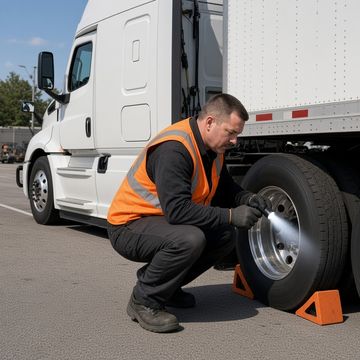
Brakes were the leading equipment issue described in the reporting, followed by tires and cargo securement. On the truck driver side, hours-of-service violations came first, followed by missing medical cards. The article distinguishes problems with the vehicle from requirements applying to its operator.
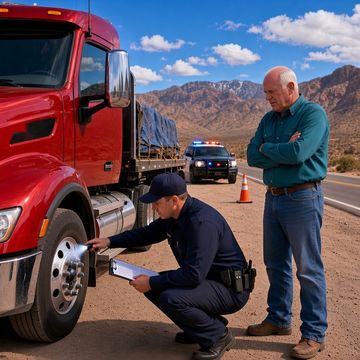
An Allen police officer involved in commercial enforcement said trucks were selected at random. He attributed the findings to poor pre-trip inspections and weak maintenance. Those are the officer's explanations, not a separate controlled study establishing why every cited vehicle had a problem.
Get Big Rig Daily every morning
The trucking stories drivers are talking about, in one short email. Unsubscribe any time.
After you sign up, check your inbox for an email from news@bigrigdaily.com and tap the button to confirm.
The figures describe inspections performed during coordinated operations over more than five years. They do not identify the condition of a particular truck outside that sample, nor do they justify assuming that a trucker in the region has a violation.
Staffing and the meaning of an average
The reporting also describes limited enforcement staffing. Some departments had reduced their commercial inspection programs to one or two certified officers, while others had dropped the programs. Those staffing accounts explain part of the discussion before transportation officials; they do not convert an inspection sample into a census of local trucking.
One regional official called the inspections the last line of defense between an unsafe truck and the public. It is an attributed description of the safety role officials see for enforcement, not a new inspection requirement.
The useful takeaway is narrower than the dramatic percentage. Brakes, tires, securement and truck driver documentation were recurring issues in the operations described. The dates, sample and type of percentage belong alongside the number whenever it is repeated.
FAQ
Does the 53% figure apply to every North Texas truck?
No. It is the reported average across 28 coordinated inspection operations, not the share of all trucks on the region's roads.
What period do the figures cover?
The operations ran from April 2021 through July 2026. They are a multi-year enforcement record rather than the results of a single November inspection day.
How should inspection summaries present averages and combined totals so truckers can understand the difference?
Sources: dallasnews.com.
For broader background, see the related Big Rig Daily guide or tool. It is general context, not a determination about this report.
Save this story for later

Sources
Get Big Rig Daily every morning
The trucking stories drivers are talking about, in one short email. Unsubscribe any time.
After you sign up, check your inbox for an email from news@bigrigdaily.com and tap the button to confirm.
Related stories