Truckers: Oakland Nvidia Theft Report Covers an August Pickup

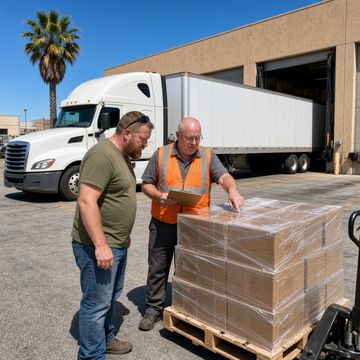
Image caption: AI illustration of a fictional warehouse worker at a dock, not the actual shipment, person or location.
Truckers following the Oakland Nvidia cargo investigation should separate the shipment date from the date the case became public. November coverage describes a pickup on Aug. 29 and a theft report to Oakland police on Sept. 13. The shipment was valued at $11.4 million and consisted of six pallets of Nvidia computer hardware bound for Fort Worth, Texas.
Get Big Rig Daily every morning
The trucking stories drivers are talking about, in one short email. Unsubscribe any time.
After you sign up, check your inbox for an email from news@bigrigdaily.com and tap the button to confirm.
According to ABC News, authorities said a truck identified with a food transport company picked up the cargo as planned. Investigators later lost track of the vehicle in San Bernardino County. That account does not establish that a particular carrier or truck driver knowingly participated in a crime.
A shipment timeline, not a new pickup
The Oakland Police Department described a grand theft investigation in its statement. The dates matter: the reported movement began in August, the victim reported the crime in September, and the cited public reporting appeared in November. Calling it a November pickup would change the central timeline.
Get Big Rig Daily every morning
The trucking stories drivers are talking about, in one short email. Unsubscribe any time.
After you sign up, check your inbox for an email from news@bigrigdaily.com and tap the button to confirm.
ABC News reported on Nov. 6 that authorities had not announced arrests. That is the status attributed to that dated report, not a claim about every subsequent police action. The report did not identify the exact hardware on the pallets or explain precisely how the cargo was taken.
The food transport company identification also needs careful handling. An identification of the truck at pickup is not a finding about a company's involvement. The available account does not resolve who controlled the vehicle, who authorized the pickup or where the hardware ultimately went.
Separate incidents and attributed estimates
UC Berkeley professor Olaf Groth told ABC News that the chips can command about double their domestic price overseas. That is an attributed explanation of demand, not a verified sale price for this particular shipment or evidence of its final destination.
The same coverage described a separate attempted theft in September. Suspects reportedly targeted trucks they believed carried Nvidia equipment, but those trucks contained 40,000 pounds of sand. That anecdote is not the contents of the six-pallet shipment and should not be combined with it.
The distinction between a reported loss, an investigation and an established account of how a theft occurred is important. The reported value and route are specific; several details of responsibility remain unresolved in the cited reporting.
FAQ
When did the reported pickup take place?
Authorities put the pickup on Aug. 29. Oakland police said the victim reported the theft on Sept. 13; November coverage brought the account to a wider audience.
Did the report establish the hardware's destination after the loss?
No. Fort Worth was the planned destination. Investigators losing track of the vehicle in San Bernardino County does not establish where the hardware ultimately arrived.
What pickup-verification information would help truckers and warehouses distinguish an assigned carrier from someone using its identity?
Sources: abcnews.com; latimes.com.
Related reading: the carrier-identity cargo-theft account explains how fake carrier identities can affect a pickup.
Save this story for later

Sources
Get Big Rig Daily every morning
The trucking stories drivers are talking about, in one short email. Unsubscribe any time.
After you sign up, check your inbox for an email from news@bigrigdaily.com and tap the button to confirm.
Related stories